Supporting your heart does not require a restrictive or boring menu. A varied eating pattern built around fish, whole grains, produce, nuts, seeds, and legumes can provide fiber, healthy fats, vitamins, and minerals that support several factors linked to cardiovascular health, including cholesterol, blood pressure, and inflammation.
No single food can protect the heart on its own, but making nourishing choices regularly can make a meaningful difference. The following foods are flavorful, versatile, and easy to work into everyday meals.
Foods That Support Heart Health
1. Fatty fish
Salmon, mackerel, and sardines are rich in omega-3 fatty acids. Including these fish in a balanced diet may help support healthy triglyceride levels, blood pressure, and heart rhythm.
Try baking salmon with herbs, adding sardines to whole-grain toast, or serving grilled mackerel with vegetables. The legacy guidance recommends aiming for fatty fish at least twice a week.
2. Whole grains
Whole grains contain dietary fiber, which can help support healthy cholesterol levels. They are also a satisfying foundation for meals and can be used in place of more refined grain products.
- Oats for breakfast or homemade snacks
- Brown rice with vegetables and beans
- Quinoa in salads or grain bowls
- Whole-wheat bread for sandwiches and toast
A simple change is to replace white bread or rice with a whole-grain alternative when it suits the meal. Oatmeal topped with berries and ground flaxseed is another easy combination.
3. Fruits and vegetables
Fruits and vegetables add fiber, antioxidants, and a broad range of nutrients to the diet. Eating a variety of colors can make meals more appealing while helping you include different types of produce.
- Berries: Add them to oats, yogurt, or smoothies.
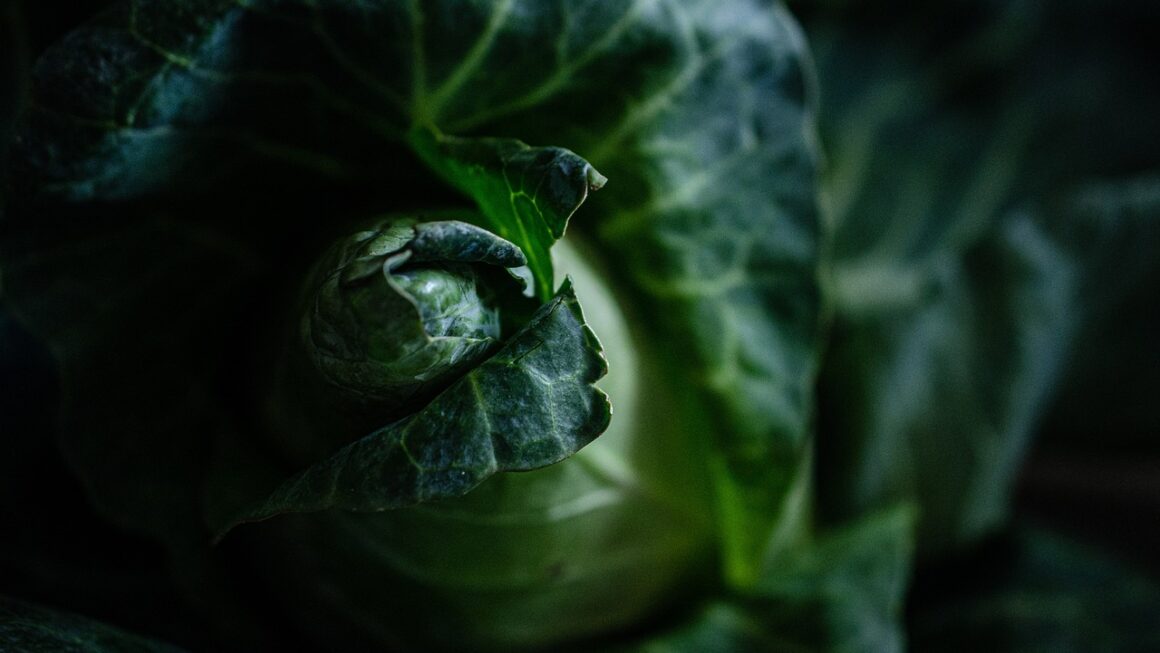
- Leafy greens: Use spinach or kale in salads, soups, and cooked dishes.
- Citrus fruits: Enjoy oranges or grapefruit as a snack, where appropriate.
- Colorful vegetables: Roast, steam, or sauté a mixture for an easy side dish.
Keeping washed fruit visible and adding vegetables to sandwiches, soups, or pasta can make produce a natural part of the day rather than an afterthought.
4. Nuts and seeds
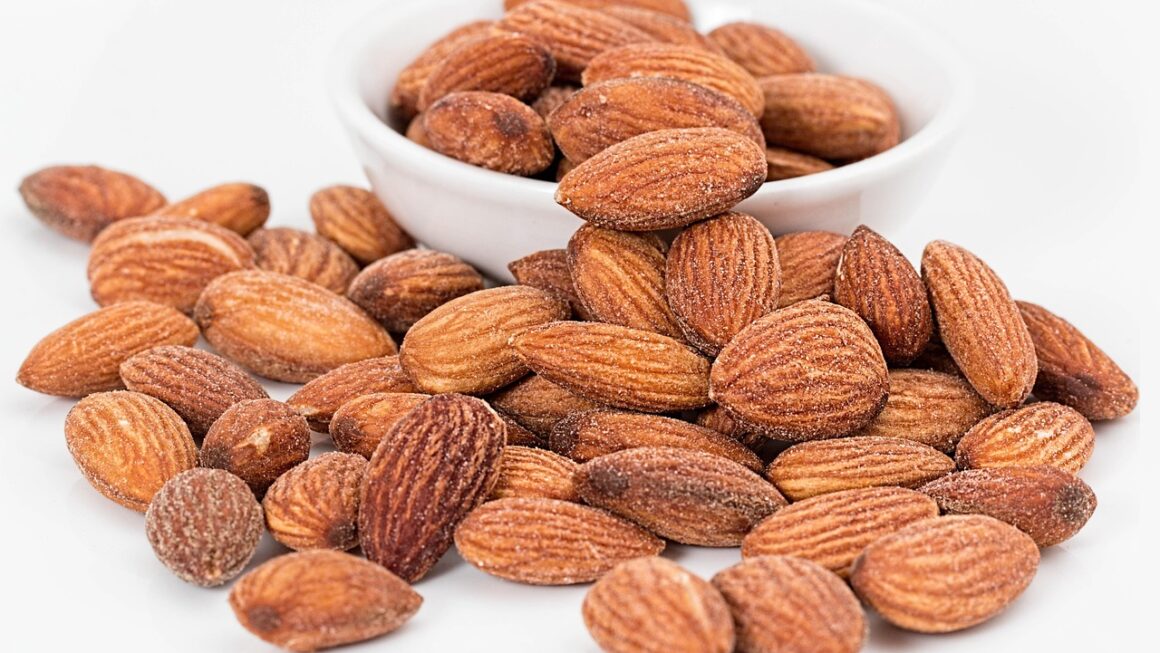
Almonds, walnuts, and flaxseeds provide combinations of healthy fats, fiber, and protein. They can add texture and flavor to meals without requiring complicated preparation.
Sprinkle chopped walnuts or flaxseeds over oatmeal, stir almonds into a salad, or keep unsalted nuts available for a convenient snack. Because nuts and seeds are filling, modest servings can complement a meal or snack well.
5. Beans, lentils, and chickpeas
Legumes are nutrient-dense foods that provide fiber and plant-based protein. Their versatility makes them useful both as a side dish and as a replacement for some meat-based meals.
- Stir lentils into soups and stews.
- Add chickpeas to salads or blend them into a spread.
- Use beans in tacos, grain bowls, and chili.
Their fiber content can support cholesterol management, while their protein makes meals more satisfying. Combining legumes with whole grains and vegetables creates a balanced, filling plate.
Simple Ways to Eat for Your Heart
Small, repeatable habits are often easier to maintain than a complete overnight diet change. Consider these practical steps:
- Plan a few meals ahead: Include a fish meal, a bean-based dish, and several servings of vegetables in your weekly menu.
- Choose gentle cooking methods: Baking, steaming, grilling, and roasting can replace frying in many recipes.
- Read packaged-food labels: Check for added sugars, sodium, and less desirable fats when comparing products.
- Replace sugary drinks: Water or unsweetened herbal tea can be a simpler everyday choice.
- Build meals around plants: Start with vegetables, whole grains, or legumes, then add a suitable source of protein.
Make Heart-Healthy Eating Enjoyable
A heart-supportive diet can include satisfying flavors, familiar recipes, and plenty of variety. Begin with one manageable swap, such as oatmeal instead of a refined breakfast, beans in place of some meat, or fruit as a snack. Over time, these choices can become part of a sustainable eating pattern that nourishes the heart without sacrificing enjoyment.