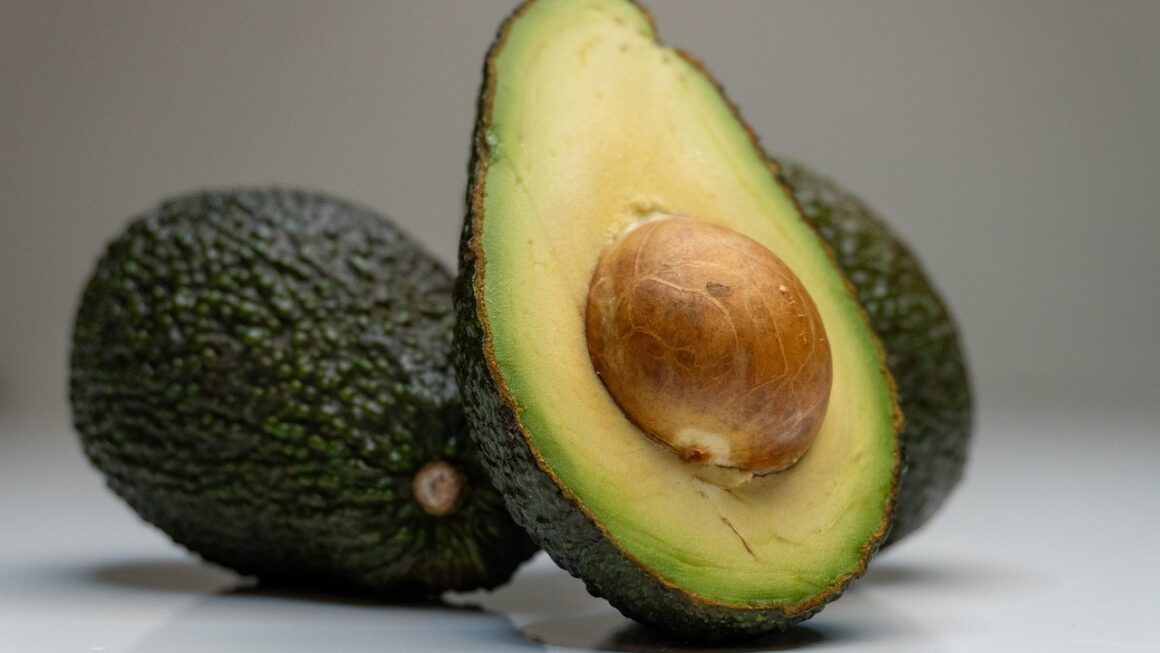
A sugar-free diet is best understood as a way to reduce or eliminate added sugars rather than a requirement to avoid every food containing sugar. Fruits, vegetables, and other whole foods naturally contain sugars along with valuable nutrients, while many packaged foods contain sugars added during manufacturing or preparation.
Reducing added sugar can help create a more balanced eating pattern, especially when sugary drinks, sweets, baked goods, and heavily processed foods are replaced with nourishing alternatives. The goal is not to make eating unnecessarily restrictive, but to build habits that are realistic and sustainable.
What Does “Sugar-Free” Mean?
The term can describe several different approaches. Some people avoid nearly all sources of sugar, including naturally occurring sugars, while others focus only on added sugar. A whole-food approach generally emphasizes vegetables, fruit, proteins, whole grains, nuts, seeds, and minimally processed foods.
For many people, concentrating on added sugar is the most practical starting point. This approach keeps naturally sweet, nutrient-rich foods such as fruit in the diet while reducing foods that provide sweetness with little nutritional value.
Foods Commonly High in Added Sugar
Added sugar is not limited to desserts. It can appear in everyday foods and drinks, including:
- Soft drinks, sweetened coffees, and energy drinks
- Candy, chocolate, and other confectionery
- Cookies, cakes, pastries, and packaged desserts
- Sweetened breakfast cereals and flavored yogurt
- Prepared sauces, ketchup, barbecue sauce, and salad dressings
- Packaged snack foods and some ready-to-eat meals
Reading the ingredient list can reveal added sugars that may not be obvious from the product’s name. Ingredients such as sucrose, glucose, fructose, and similar forms of sugar may appear in different combinations throughout packaged foods.
Potential Benefits of Reducing Added Sugar
Replacing sugary foods and drinks with more nourishing choices may support several aspects of health and daily wellbeing.
More manageable calorie intake
Sugary foods and drinks can add calories without making a person feel full for very long. Reducing them may make it easier to manage overall food intake and support weight-management goals, particularly when the replacements include satisfying foods such as vegetables, lean proteins, beans, whole grains, and healthy fats.
Improved blood sugar management
Lowering added sugar intake can be helpful for people who are trying to manage blood sugar. However, individual needs vary, and a sugar-free eating plan should not replace advice from a qualified healthcare professional, especially for anyone living with diabetes or taking medication that affects blood glucose.
A more balanced eating pattern
Cutting back on sweetened drinks and highly processed snacks often encourages people to prepare more meals from whole or minimally processed ingredients. This can make it easier to include a wider range of vegetables, fruits, proteins, and whole grains.
Possible improvements in energy and skin health
Some people report steadier energy after reducing sugary foods, while the legacy guidance also associates lower sugar intake with improved skin health. These effects are not identical for everyone, but replacing sugary products with balanced meals can support overall dietary quality.
How to Begin Without Feeling Deprived
- Start with drinks. Replace soft drinks and other sweetened beverages with water or unsweetened options.
- Check labels. Compare similar products and choose versions with less added sugar when available.
- Build meals around whole foods. Combine vegetables, a protein source, whole grains, and a source of healthy fat.
- Plan snacks in advance. Fresh fruit, nuts, plain yogurt, or cut vegetables can make highly sweetened convenience foods less tempting.
- Prepare food at home when possible. Homemade meals make it easier to control the amount of sugar in sauces, dressings, and desserts.
- Reduce gradually if needed. A step-by-step change may be easier to maintain than attempting to remove every sweet food immediately.
Simple Swaps
Small substitutions can make the transition more manageable. Choose plain yogurt and add fruit instead of buying a sweetened variety. Use unsweetened milk or plant-based alternatives in place of sweetened versions. Replace candy with fruit or nuts, and consider a small portion of dark chocolate instead of a more heavily sweetened chocolate product.
Products marketed as “sugar-free” are not automatically nutritious. They may contain other sweeteners or refined ingredients, so the full ingredient list and overall nutritional value still matter.
Handling Social Situations
Restaurants, celebrations, and family gatherings do not have to derail your plans. Let hosts know about your preferences when appropriate, bring a snack or dessert that suits your eating pattern, and look for meals based on vegetables, proteins, grains, or other naturally low-sugar ingredients. Flexibility can help prevent an all-or-nothing mindset.
Possible Challenges
Some people experience strong cravings, mood changes, or frustration when they first reduce sugar. A highly restrictive plan can also make social occasions difficult or unintentionally remove nutritious foods. Eliminating entire food groups without planning may increase the risk of an unbalanced diet.
If you have a medical condition, follow a medically restricted diet, are pregnant, or are concerned about nutrient intake, seek guidance from a healthcare professional or registered nutrition expert. The most useful sugar-free approach is one that reduces added sugar while preserving variety, nourishment, and enjoyment.