Healthy eating does not require a perfect menu, complicated recipes, or an all-or-nothing approach. It is a pattern of making nourishing choices regularly while leaving room for flexibility and enjoyment. By focusing on balance, variety, and preparation, you can build eating habits that support your energy, well-being, and long-term health.
What a balanced eating pattern looks like
A nourishing diet includes a range of foods because different food groups provide different nutrients. Aim to include:
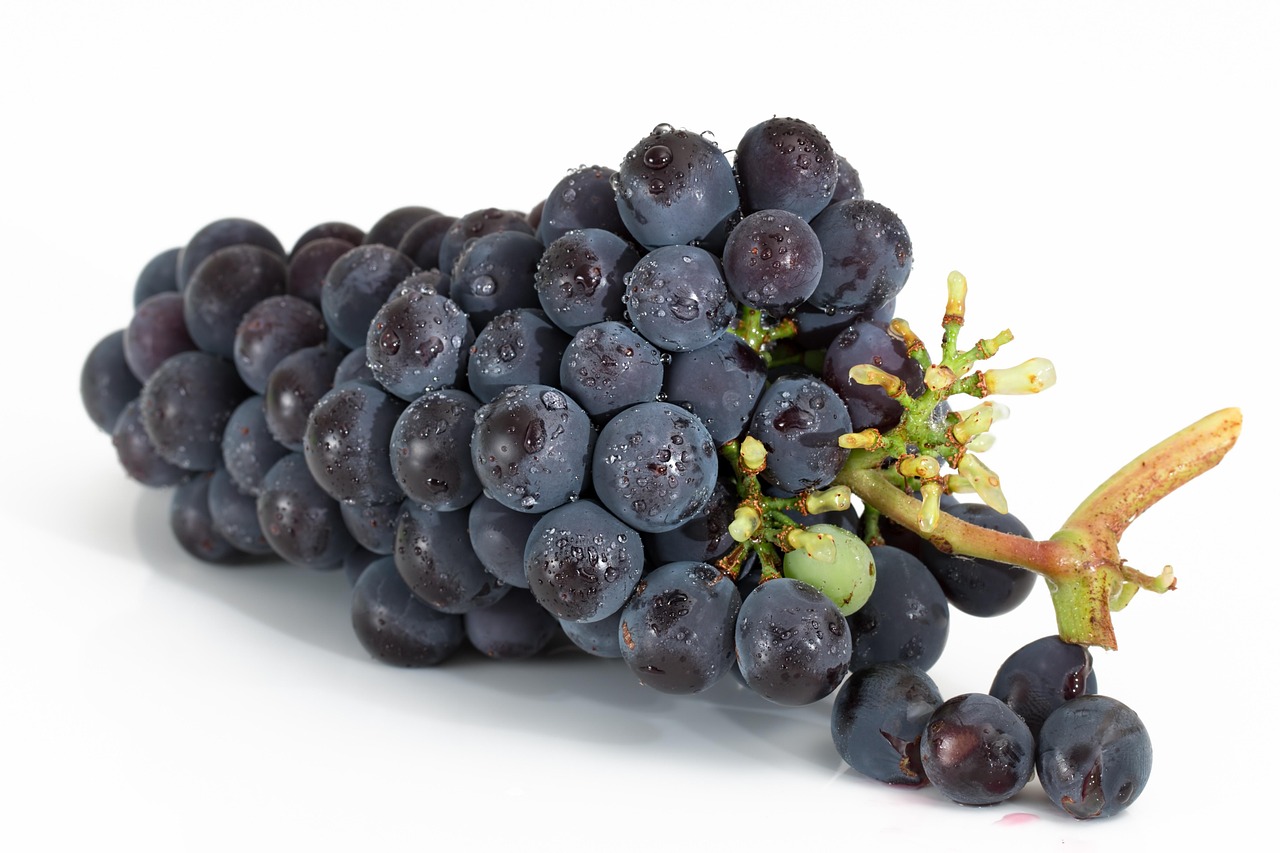
- Vegetables and fruit: Choose a variety of colors and forms, including fresh, frozen, or cooked options.
- Whole grains: Foods such as oats, brown rice, and whole-grain bread provide satisfying sources of carbohydrates and fiber.
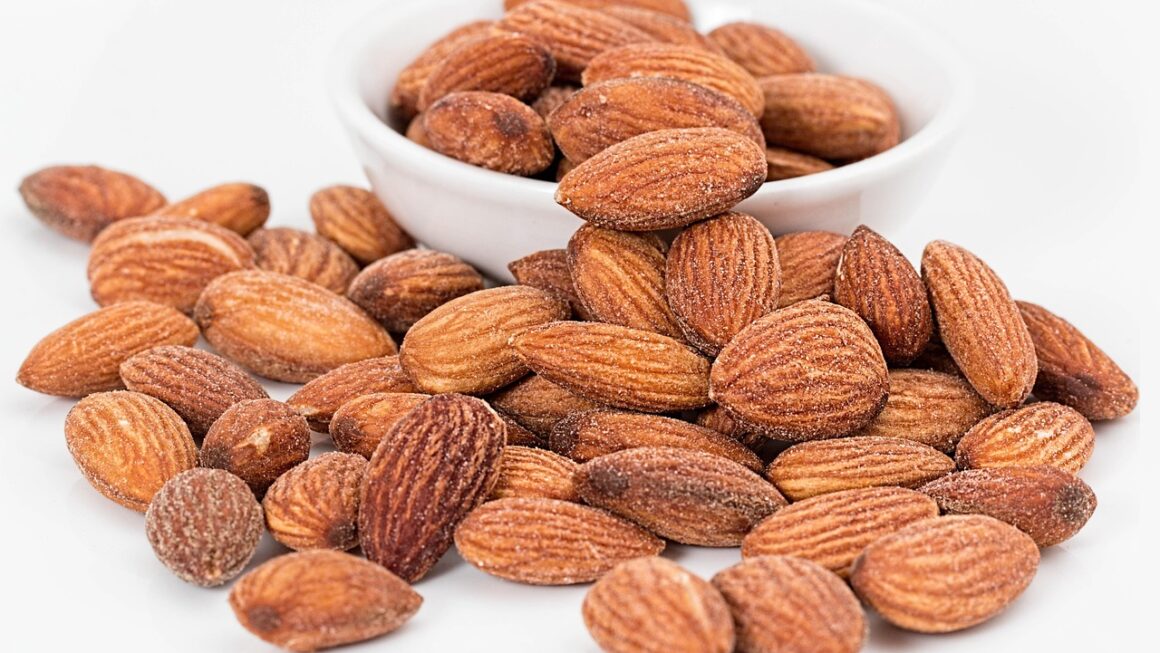
- Protein-rich foods: Include options such as beans, lentils, eggs, dairy products, fish, poultry, meat, nuts, or seeds according to your preferences.
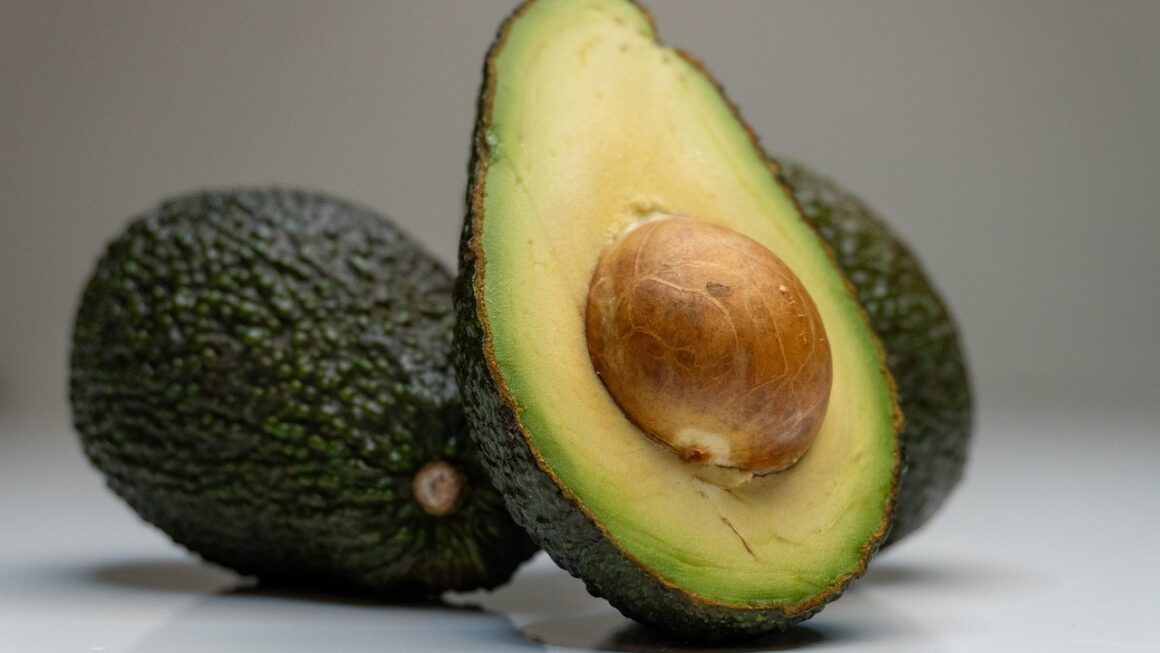
- Healthy fats: Avocado, nuts, seeds, olive oil, and similar foods can add flavor and help make meals more satisfying.
Balance matters more than perfection. One meal does not determine the quality of your diet; your overall pattern is what counts.
Build meals with a simple framework
When deciding what to eat, start with the components rather than a strict set of recipes. A balanced plate can include a generous portion of vegetables or fruit, a source of protein, a whole-grain or other carbohydrate, and a modest amount of healthy fat.
For example, try roasted vegetables with brown rice and beans, or a bowl of oatmeal topped with fruit, seeds, and yogurt. Combining protein and fiber-rich foods can also make meals and snacks more filling.
Make mindful eating practical
Mindful eating means paying attention to your food, your hunger, and your satisfaction instead of eating automatically whenever possible. You do not need to make every meal a formal exercise. Small changes can help:
- Eat without rushing when your schedule allows.
- Notice the taste, texture, and aroma of your food.
- Pause partway through a meal and check whether you are still hungry.
- Keep tempting convenience foods from being the only easy option by preparing nourishing alternatives.
- Enjoy favorite foods without treating them as forbidden or as a reason to abandon your goals.
Plan ahead for easier choices
Meal planning reduces the need to make difficult decisions when you are tired or busy. A simple weekly plan might include a few breakfasts, lunches, and dinners that share ingredients. Before shopping, check what you already have and write a focused list.
Preparing a few basics in advance can make a noticeable difference. Cook a batch of grains or beans, wash and chop vegetables, portion snacks, or prepare ingredients for quick meals. Keep versatile foods available, such as eggs, canned beans, frozen vegetables, fruit, yogurt, nuts, and whole-grain staples.
Support your body with essential nutrients and fluids
Protein supports the maintenance and repair of body tissues. Carbohydrates provide an important source of energy, particularly when they come from foods such as whole grains, fruit, and vegetables. Fats play useful roles in the body and help add flavor and satisfaction to meals. Vitamins and minerals are supplied through a varied diet, especially one that includes plenty of colorful produce.
Hydration is another part of daily nourishment. Drink fluids regularly and pay attention to thirst, activity, weather, and other factors that may affect your needs. Water is a straightforward choice, while foods such as cucumber, watermelon, and citrus fruit can also contribute fluid. If you frequently feel unsure about your hydration or dietary needs, a qualified health professional can offer personalized guidance.
Overcome common obstacles
Limited time
Use quick cooking methods, keep convenient nutritious ingredients on hand, and repeat reliable meals during especially busy periods. Healthy eating does not need to mean cooking from scratch every day.
Limited cooking confidence
Begin with a few basic skills: roasting vegetables, cooking grains, preparing eggs, and seasoning food. Learning a small number of techniques gives you a foundation for many meals.
Budget concerns
Plan around foods that are affordable and filling, compare prices, use seasonal or frozen produce, and reduce waste by planning ways to use leftovers. Beans, lentils, oats, rice, and eggs can be useful building blocks for many meals.
Social pressure
Healthy habits should fit your life, including celebrations and shared meals. Choose the foods you genuinely want, eat at a comfortable pace, and return to your usual routine afterward rather than trying to compensate.
Start with one sustainable change
The most effective eating habits are the ones you can maintain. Add a serving of vegetables to one meal, prepare breakfast the night before, replace a sugary snack with fruit and nuts, or plan a few dinners for the week. Once that change feels manageable, build on it. Nourishing yourself is not a short-term project; it is a practical, flexible way to support your health one choice at a time.