A plant-based diet centers meals around foods that come from plants, including vegetables, fruit, beans, lentils, whole grains, nuts, and seeds. It does not have to mean eliminating every animal product. For many people, the most practical approach is to eat more whole plant foods while choosing the balance of animal products that fits their preferences and needs.
Whether your motivation is better nutrition, environmental concerns, or simply a desire to try new foods, the transition can be flexible and enjoyable. The goal is not perfection. It is to create a way of eating that is nourishing, satisfying, and realistic for your everyday life.
What a Plant-Based Diet Includes
The foundation of a balanced plant-based eating pattern is variety. Different foods provide different combinations of fiber, protein, vitamins, minerals, and healthy fats.
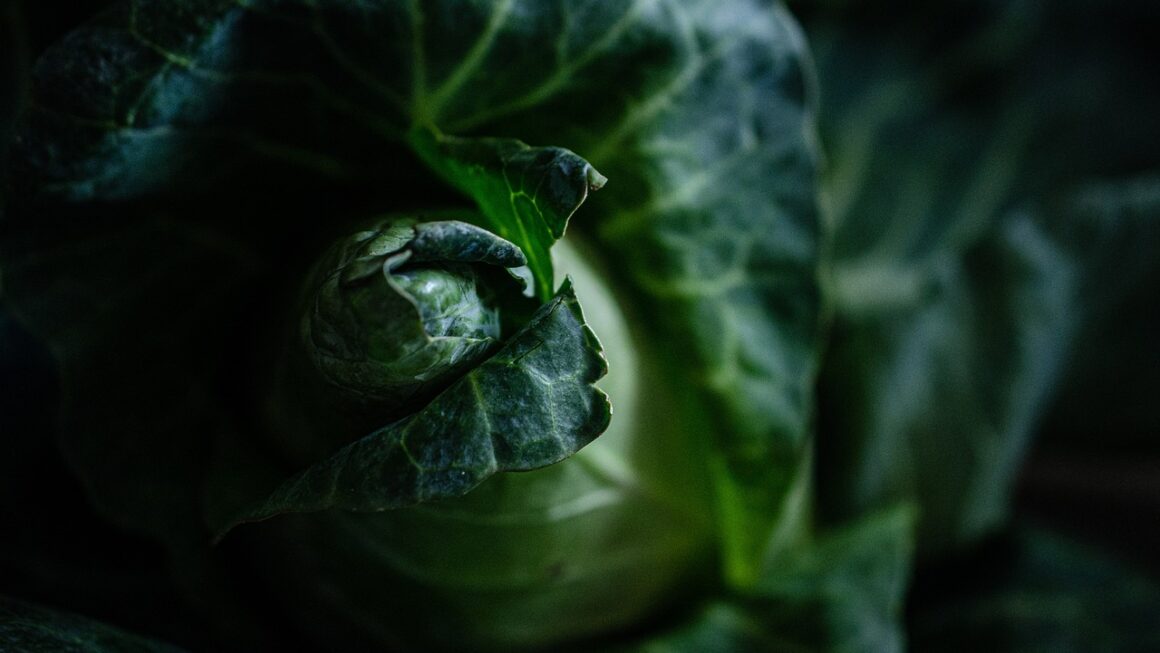
- Vegetables: Include leafy greens, broccoli and other cruciferous vegetables, peppers, tomatoes, mushrooms, and root vegetables such as sweet potatoes.
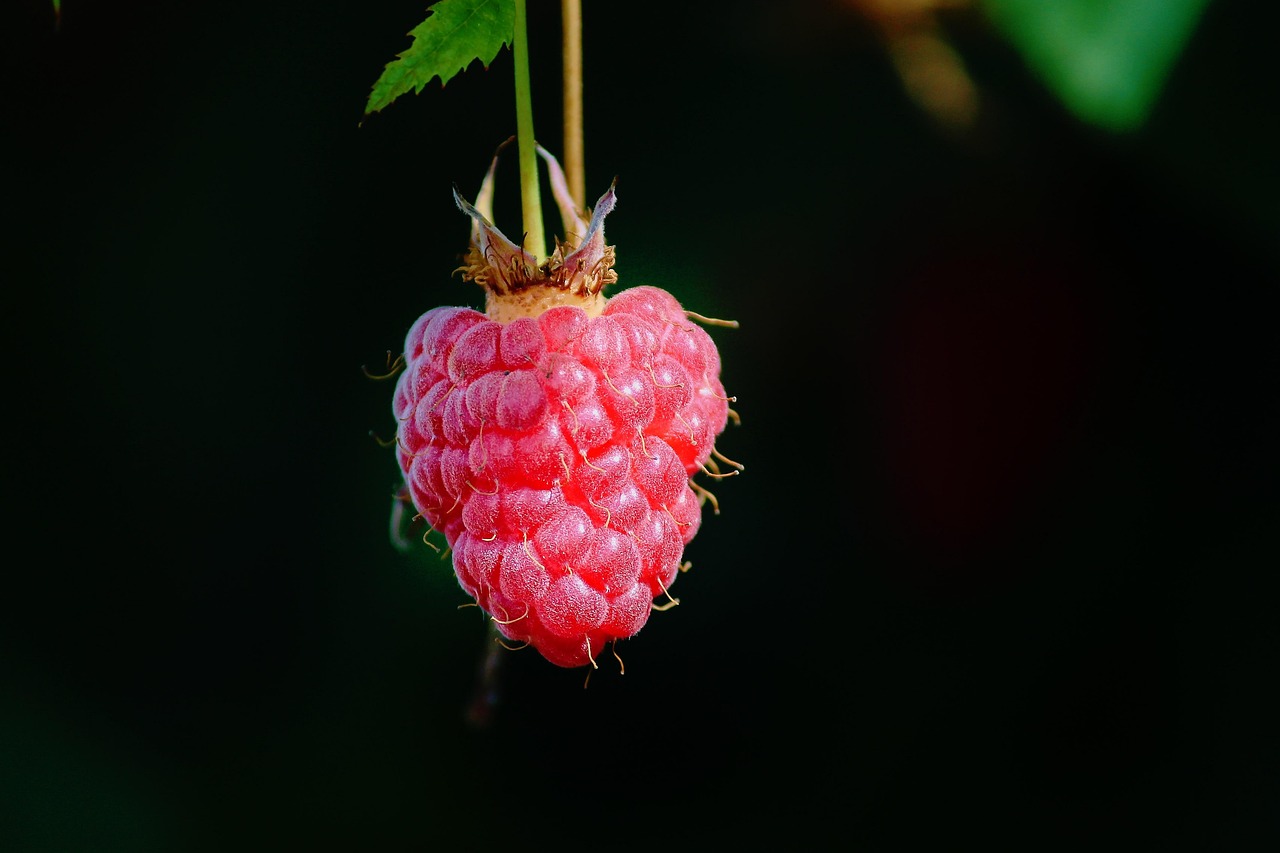
- Fruit: Fresh, frozen, and dried fruit can add natural sweetness, flavor, and useful nutrients to meals and snacks.
- Legumes: Beans, lentils, chickpeas, and peas are versatile sources of plant protein and fiber.
- Whole grains: Oats, brown rice, quinoa, barley, and whole-grain bread can provide lasting energy and texture.
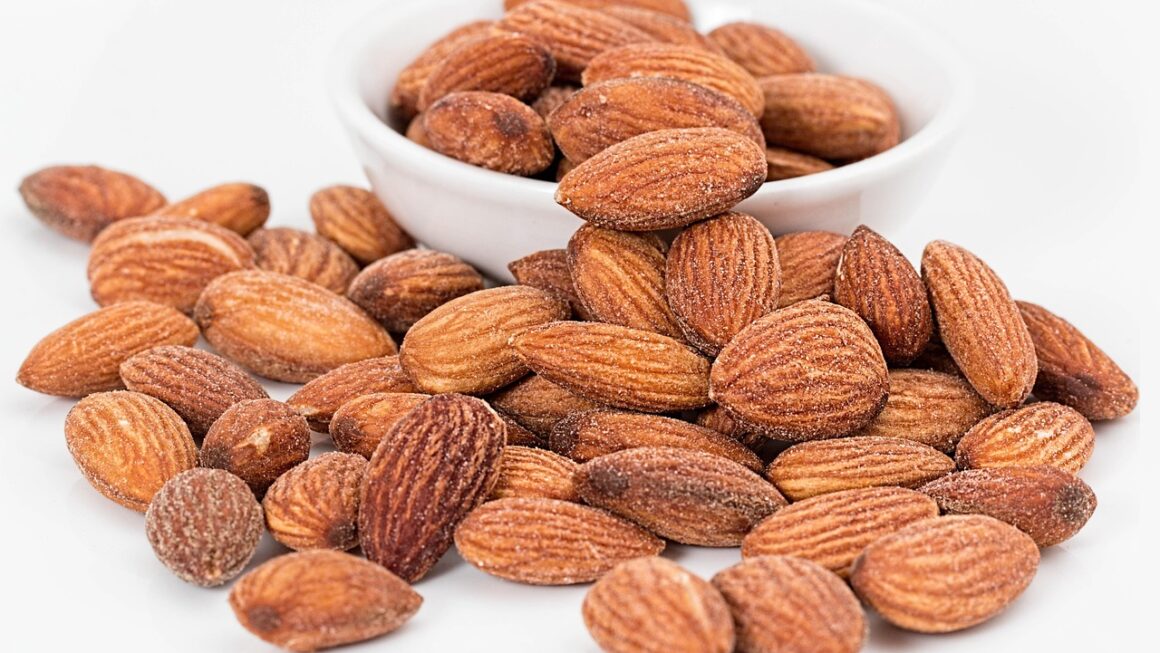
- Nuts and seeds: Almonds, walnuts, chia seeds, flaxseeds, and similar foods contribute protein and unsaturated fats.
Minimally processed foods can make up most of the diet, while convenient plant-based products can also have a place. Reading labels and choosing options with useful ingredients and reasonable amounts of added salt, sugar, and saturated fat can help you make informed choices.
Potential Benefits of Eating More Plants
Replacing some heavily processed foods or animal-based meals with nutrient-dense plant foods can improve the overall quality of a diet. Meals built around vegetables, legumes, fruit, and whole grains are often rich in fiber and may support a healthy digestive system.
A well-planned plant-based pattern may also support heart health and weight management. Beans, vegetables, whole grains, nuts, and seeds can help create filling meals without relying on large portions of calorie-dense foods. However, results depend on the foods chosen, portion sizes, overall eating habits, and individual circumstances. Plant-based does not automatically mean nutritious: sugary drinks, refined snacks, and heavily processed foods can also be plant-based.
Eating more plant foods may also reduce the environmental impact associated with your meals. Producing plant foods generally uses fewer resources than producing many animal-based foods, although the impact varies by ingredient, farming method, transport, and portion.
How to Make the Transition Easier
Start with familiar meals
Rather than changing everything at once, adapt meals you already enjoy. Add lentils to soup, use beans in tacos, replace some of the meat in a pasta sauce with mushrooms or vegetables, or top oatmeal with fruit, nuts, and seeds.
Build satisfying plates
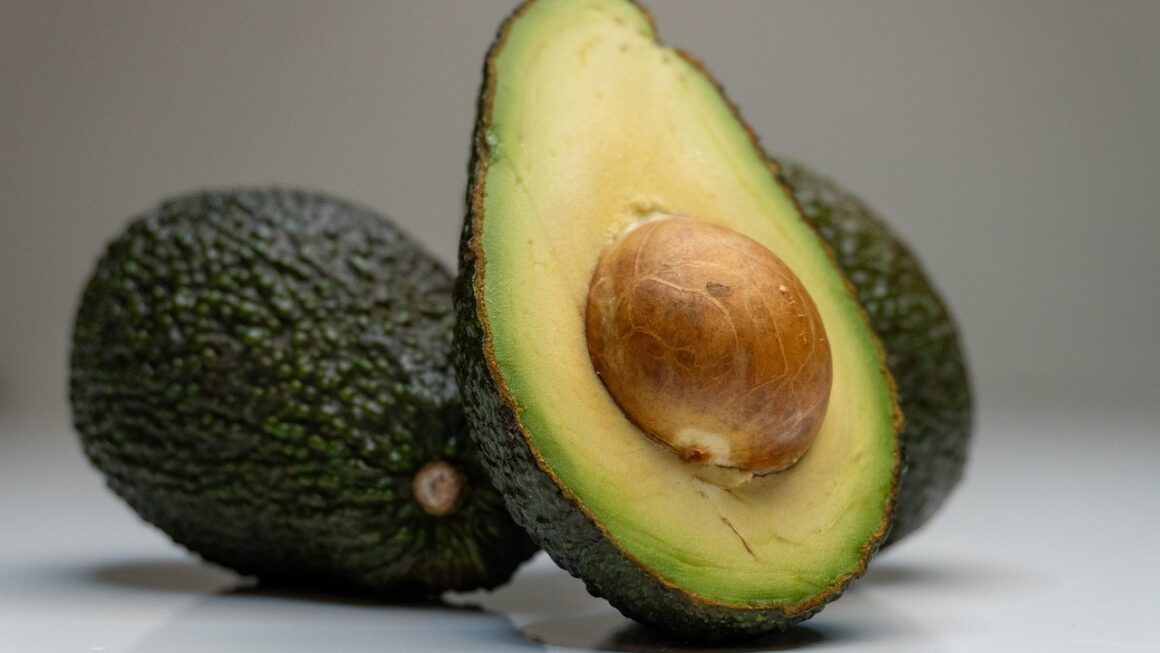
A simple meal formula can make planning easier: fill much of the plate with vegetables, add a serving of beans or another protein-rich food, include a whole grain or starchy vegetable, and finish with a source of healthy fat such as avocado, tahini, nuts, or seeds.
Prepare key ingredients ahead
Cooking a batch of grains, washing vegetables, or keeping canned beans available can make plant-forward meals more convenient. A few reliable options—such as chickpea salad, lentil curry, vegetable stir-fry, or bean-and-grain bowls—can reduce the pressure to create a new recipe every day.
Make changes gradually
Try beginning with one plant-based meal each day or setting aside a few plant-focused days each week. Pay attention to hunger, energy, digestion, and enjoyment, then adjust portions and ingredients as you learn what works for you.
Protein and Other Nutritional Considerations
Protein is available from beans, lentils, peas, tofu, tempeh, nuts, seeds, and whole grains. Eating a variety of these foods throughout the day can help create a balanced intake. Pairing legumes with grains is not required at every meal, but both can be useful parts of a varied diet.
People who avoid all animal products should plan carefully for nutrients that can be more difficult to obtain, including vitamin B12. Depending on your food choices and health needs, other nutrients may also deserve attention. Anyone who is pregnant, managing a medical condition, taking medication, or considering a fully vegan diet should discuss major dietary changes with a qualified healthcare professional or registered dietitian.
Progress Over Perfection
A vibrant plant-based diet is less about following rigid rules and more about adding variety, flavor, and nourishing foods to your routine. Begin with manageable changes, keep convenient staples on hand, and explore recipes that make vegetables, legumes, grains, fruit, nuts, and seeds genuinely enjoyable. Consistent small improvements can be more sustainable than an extreme plan that is difficult to maintain.