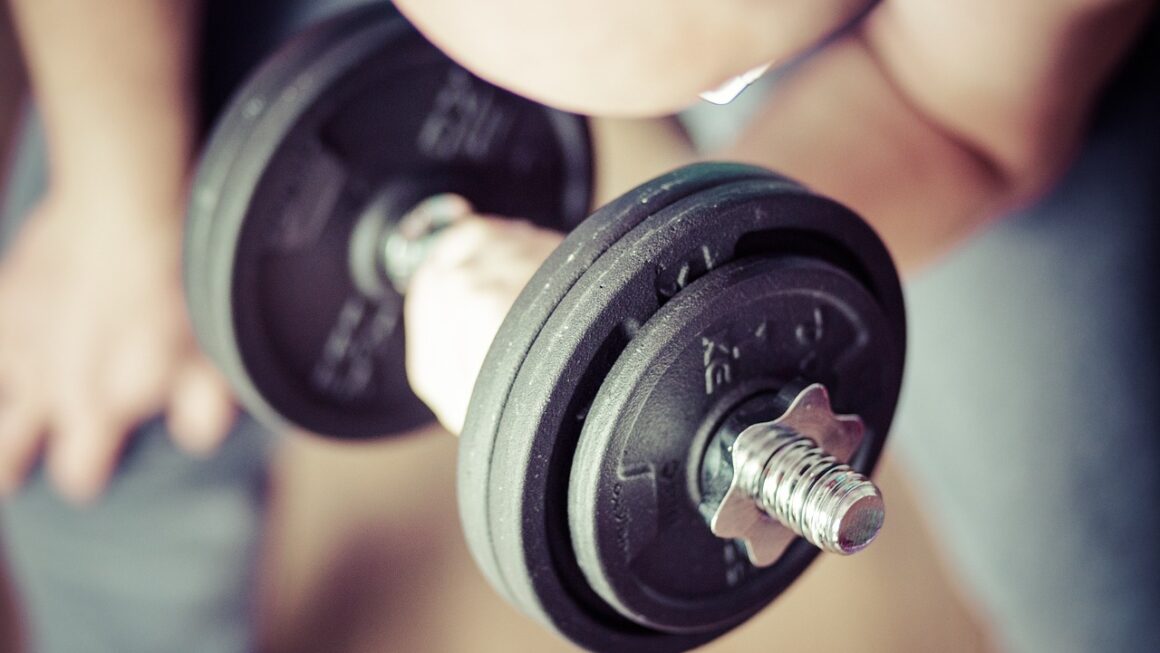
Barbell training is one of the most adaptable ways to develop strength, muscle, coordination, and confidence in the gym. A single barbell can support a complete routine built around squats, hinges, presses, and pulls, allowing you to train several major muscle groups without an unnecessarily complicated plan.
The best results come from combining sensible exercise selection with consistent technique, gradual progression, and enough recovery. You do not need to lift maximal weights to benefit from barbell training. Start with loads you can control, learn the movement patterns, and add resistance only when your form remains reliable.
Why Include Barbell Exercises?
- Efficient training: Compound barbell movements involve multiple joints and muscle groups at once.
- Progressive overload: You can increase the load in small, measurable steps as your strength improves.
- Better coordination: Free-weight exercises require you to control the bar through space.
- Flexible programming: Barbells can be used for full-body sessions, upper- and lower-body splits, or focused strength plans.
- Core involvement: Squats, deadlifts, presses, and rows require the trunk to brace and transfer force.
Core Barbell Movement Patterns
Squat
The barbell squat primarily trains the thighs and glutes while challenging the trunk to stay stable. Keep the bar balanced over your mid-foot, brace before descending, and lower only as far as you can while maintaining control. Drive upward without allowing your knees or hips to collapse inward.
Deadlift
The deadlift trains the muscles responsible for extending the hips, including the glutes, hamstrings, and back. Begin with the bar close to your shins, keep your spine in a comfortable neutral position, and push through the floor as you stand. Avoid turning the lift into a fast, rounded-back pull.
Bench Press
The bench press works the chest, shoulders, and triceps. Set your feet firmly, keep your upper back supported by the bench, and lower the bar with control. Press it upward while keeping your wrists stacked over your forearms. Use a spotter or appropriate safety equipment when training with challenging weights.
Overhead Press
The overhead press develops the shoulders and triceps while requiring full-body stability. Start with the bar near shoulder height, brace your midsection, and press upward without leaning excessively backward. Finish with the bar positioned over your head and torso.
Barbell Row
The barbell row strengthens the upper back, rear shoulders, and arms. Hinge at the hips, keep your back controlled, and pull the bar toward your lower ribs. Avoid using momentum to jerk the weight upward or allowing your shoulders to round under load.
Sample Full-Body Barbell Workout
Perform this routine two or three times per week, leaving at least one rest day between sessions when possible. Begin each workout with several minutes of easy movement and specific warm-up sets using a light bar or reduced weight.
- Back squat: 3 sets of 5–8 repetitions
- Bench press: 3 sets of 5–8 repetitions
- Barbell row: 3 sets of 8–10 repetitions
- Romanian deadlift: 3 sets of 8–10 repetitions
- Overhead press: 2–3 sets of 6–10 repetitions
Rest longer between demanding compound sets and take enough time to reset your position before the next repetition. If you are new to lifting, begin with fewer sets and practice each movement with a qualified coach or experienced training partner when available.
How to Progress Safely
Keep a simple record of the exercise, weight, sets, repetitions, and how the session felt. When you can complete all prescribed repetitions with consistent form and still have some effort in reserve, increase the load by a small amount at a future session. If technique breaks down, reduce the weight or repeat the same load until it feels controlled.
Progress is not limited to adding weight. You can also improve by completing an extra repetition, using a steadier tempo, increasing your range of motion, or performing the same work with less rest. Avoid testing maximum strength frequently; regular, repeatable training is usually more productive than constant all-out attempts.
Technique and Recovery Priorities
- Brace your torso before heavy repetitions and maintain a stable, controlled position.
- Use a range of motion that you can perform without pain or loss of alignment.
- Move deliberately rather than rushing through the eccentric portion of each lift.
- Stop a set if sharp pain, numbness, or a sudden change in technique appears.
- Allow adequate sleep, nutrition, and rest between demanding workouts.
Barbell training can be an effective foundation for a stronger, more capable body, but the routine should match your experience, equipment, schedule, and recovery capacity. Build the habit first, develop reliable movement patterns, and let steady progression—not ego—drive the results.