Eating well does not require complicated cooking or a complete change to your favorite foods. A practical approach is to build meals around vegetables, fruit, whole grains, protein-rich ingredients, and satisfying fats while keeping added sugar and excess salt in check. The ten recipes below are simple, flexible, and suitable for breakfast, lunch, dinner, snacks, or a light dessert.
Breakfast Recipes
1. Berry Spinach Smoothie Bowl
Ingredients: 1 cup spinach, 1 banana, 1/2 cup almond milk, 1 cup frozen mixed berries, and 2 tablespoons chia seeds.
Method: Blend the spinach, banana, almond milk, and berries until smooth. Pour into a bowl and finish with the chia seeds. Add extra berries, sliced banana, or a few nuts if desired.
2. Cinnamon Overnight Oats
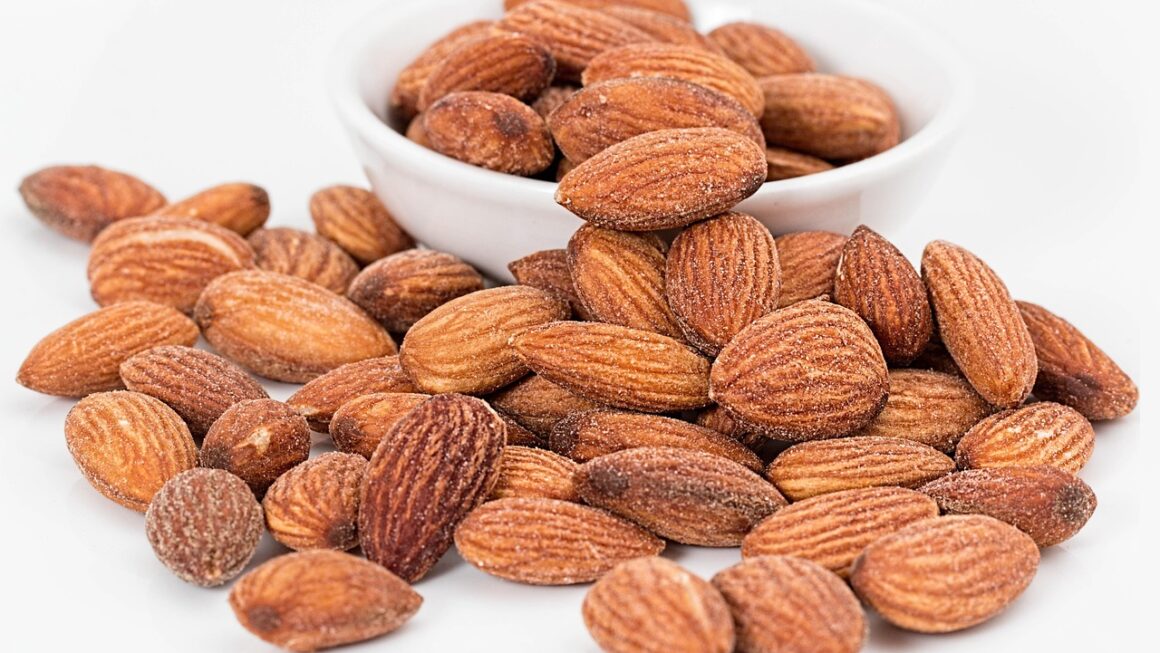
Ingredients: 1/2 cup rolled oats, 1 cup almond milk, 1 tablespoon honey or maple syrup, 1/4 teaspoon cinnamon, and toppings such as fruit or chopped nuts.
Method: Stir the oats, milk, sweetener, and cinnamon together in a jar or container. Cover and refrigerate overnight. Add your chosen toppings before serving.
3. Vegetable and Egg Breakfast Toast
Ingredients: 1 slice whole-grain bread, 1 egg, a handful of spinach, sliced tomato, and a small amount of olive oil.
Method: Toast the bread. Lightly cook the spinach and tomato in a pan, then set them aside. Cook the egg to your preferred doneness and serve it over the toast with the vegetables.
Lunch Ideas
4. Quinoa, Tomato, and Cucumber Bowl
Ingredients: 1 cup cooked quinoa, 1 cup halved cherry tomatoes, 1/2 cup chopped cucumber, 1/4 cup feta cheese, olive oil, and lemon juice.
Method: Combine the quinoa, tomatoes, cucumber, and feta in a bowl. Dress with olive oil and lemon juice, then toss gently. Add herbs or black pepper for extra flavor.
5. Hummus and Crunchy Vegetable Wrap
Ingredients: 1 whole-grain wrap, hummus, mixed greens, grated carrot, sliced bell pepper, and cucumber.
Method: Spread hummus over the wrap and arrange the greens and vegetables in the center. Roll tightly, tuck in the sides, and slice in half. Add chickpeas or leftover cooked vegetables for a more substantial meal.
6. Lentil and Roasted Vegetable Salad
Ingredients: Cooked lentils, chopped bell pepper, zucchini, onion, mixed greens, olive oil, and lemon juice.
Method: Roast the pepper, zucchini, and onion until tender. Toss them with the lentils and greens, then dress with olive oil and lemon juice. This salad can be served warm or chilled.
Wholesome Dinners
7. Lemon-Garlic Salmon with Asparagus
Ingredients: Salmon fillets, asparagus, olive oil, minced garlic, and lemon.
Method: Place the salmon and asparagus on a baking tray. Brush with olive oil, garlic, and lemon juice. Cook until the salmon is fully cooked and the asparagus is tender. Serve with brown rice or another whole grain if you want a heartier plate.
8. Chickpea and Vegetable Stir-Fry
Ingredients: 1 can chickpeas, drained; 1 bell pepper; 1 zucchini; garlic; ginger; and a small amount of soy sauce.
Method: Sauté the garlic and ginger briefly, then add the chopped pepper and zucchini. Stir in the chickpeas and cook until the vegetables are tender. Add soy sauce to taste and serve over brown rice or quinoa.
9. Stuffed Sweet Potatoes with Beans and Greens
Ingredients: Sweet potatoes, cooked black beans, mixed greens, chopped tomato, and plain Greek yogurt or hummus.
Method: Bake the sweet potatoes until soft. Split them open and fill with beans, greens, and tomato. Add a spoonful of yogurt or hummus before serving.
Snacks and Light Desserts
10. No-Bake Oat and Nut Butter Bites
Ingredients: 1 cup rolled oats, 1/2 cup nut butter, 1/4 cup honey or maple syrup, and 1/2 cup dark chocolate chips.
Method: Mix all the ingredients in a bowl. Shape the mixture into small balls and refrigerate for about an hour. Store them chilled and enjoy as a convenient snack.
Making Healthy Meals Easier
Use these recipes as starting points rather than strict formulas. Swap vegetables according to what you have available, prepare grains and legumes ahead of time, and adjust seasonings to suit your taste. Combining different colors and textures can make simple meals more appealing, while planning a few components in advance makes nutritious choices easier on busy days.
A balanced eating pattern can include familiar foods in sensible portions. Begin with one recipe that fits your routine, then build a small collection of dependable breakfasts, lunches, dinners, and snacks you genuinely enjoy.